
Anthropic had Claude design three electronic devices from short prompts: the boards were built as designed and the prototypes worked without fixes to their circuitry
Anthropic and the circuit board maker Diode Computers asked Claude Fable 5.2 to design a speakerphone, a voice-assistant hub and a handheld virtual pet. Claude did the circuits, the board layouts, the enclosures and the firmware, and wrote its own routing tool along the way.
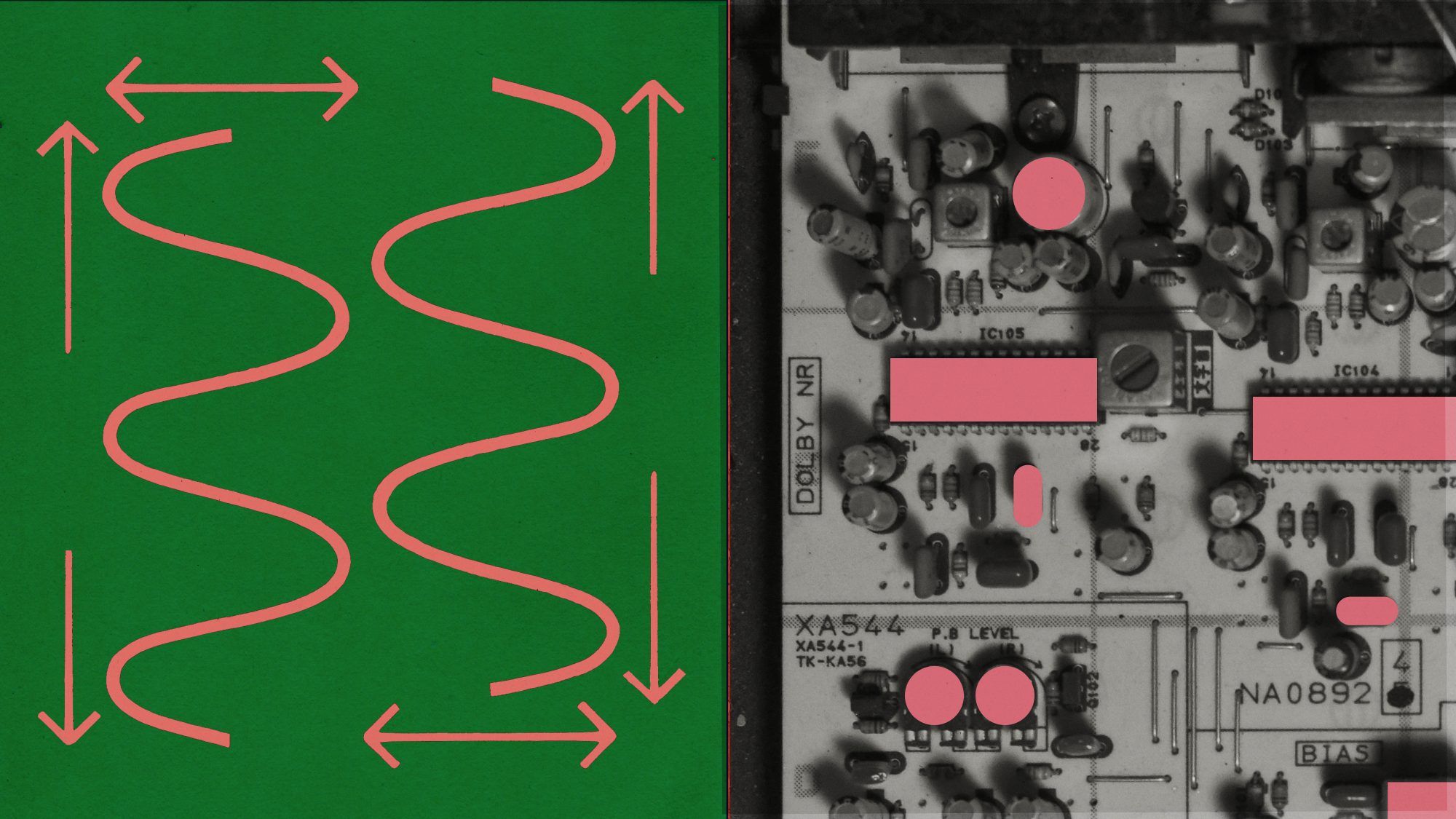
Building an electronic device is a chain of different jobs. Someone designs the circuit, decides where each part sits on the board, draws the copper tracks that connect the parts, models a case that the board fits into, writes the firmware, and checks that a factory can make the result from parts that are in stock. A mistake early in the chain often shows up only at the end. A little over a year ago Anthropic began testing Claude on the first of these jobs together with Diode Computers, a company that designs and manufactures circuit boards. The models of that time could not reliably lay out a board.
In a post of 9 November, Anthropic reports the same test with Claude Fable 5.2 and the whole chain. Each device started from a short prompt. The one for the speakerphone asked for "a puck that plugs into a computer over USB-C and includes microphones and a speaker, supporting Bluetooth with a PCB antenna." From there Claude wrote the specification, drew the schematics, placed the components, routed the copper connections, designed a 3D-printable enclosure, wrote the firmware and prepared a parts list. Diode manufactured all three boards directly from Claude's design files, with no rounds of adjustments, and assembled them under Claude's direction. The prototypes worked without any fixes to their circuitry.
The post is most useful where it shows how the work went. Diode's software let Claude draw one track at a time with the router built into KiCad, a widely used board design program. The hub had long tracks running from a 100-pin connector, so Claude wrote its own router instead: an algorithm that divides the board into a grid and searches it for a clear path. Within about half an hour it could lay each long track in roughly a second. Claude also checked its own work against the physical world. It calculated that a 25 mm microphone port would resonate near 3.4 kHz, inside the voice band, and changed the case to a wedge shape that shortened the ports to about 10 mm and moved the resonance to about 8.9 kHz. It ran the factory's manufacturing checks itself, fixed six slivers of protective coating that were too thin to make, and correctly ignored one flag that was a false alarm.
Two benchmarks put a number on the change. On PCB Gym, an internal Diode benchmark for placing components and routing connections, Fable 5.2 scored 69%, against 25% for Fable 5. On the public BenchCAD 2.1 it scored 83.5%. The limits are stated plainly. The devices are prototypes that have not been through electrical validation, antenna tuning, thermal testing or certification, and were not designed for mass production. Claude was not connected to test equipment or factory machines, so Diode's engineers built and tested the boards by hand. Anthropic also notes that it has a commercial relationship with Diode.
I should just rip these traces and start fresh." Claude then deleted and rerouted copper connections dozens of times until it found an arrangement that worked.